
You can find a solid rental in Michigan, line up the numbers, and still watch the deal slip away because a bank wants more paperwork than the property deserves. That happens a lot in places like Grand Rapids, Ann Arbor, Lansing, and Detroit, where investors move fast but conventional underwriting still tries to fit rental income into a personal income box.
DSCR loans in Michigan solve that problem by putting the property first. By 2026, they've become a mainstream financing option for investors who care more about cash flow than W-2 income, with typical rates from 6.12% to 9% and loan amounts from $100,000 to $3 million+ (Newfi Michigan DSCR guide). That shift matters because it gives local investors a faster, cleaner path to closing on non-owner-occupied rentals without waiting on the usual bank bottlenecks.
A Faster Path to Michigan Rental Properties
A common Michigan deal goes like this. An investor finds a duplex in Lansing or a single-family rental outside Detroit, runs the rent numbers, and knows the property can work. Then the bank asks for tax returns, W-2s, business explanations, and a debt-to-income review that has little to do with whether the rental itself performs.
That's where a DSCR loan changes the game. The property applies for the loan, not you. Underwriting focuses on the rent roll and the property's ability to cover its own debt, which is why many investors use these loans to move faster on deals that traditional lenders slow down.
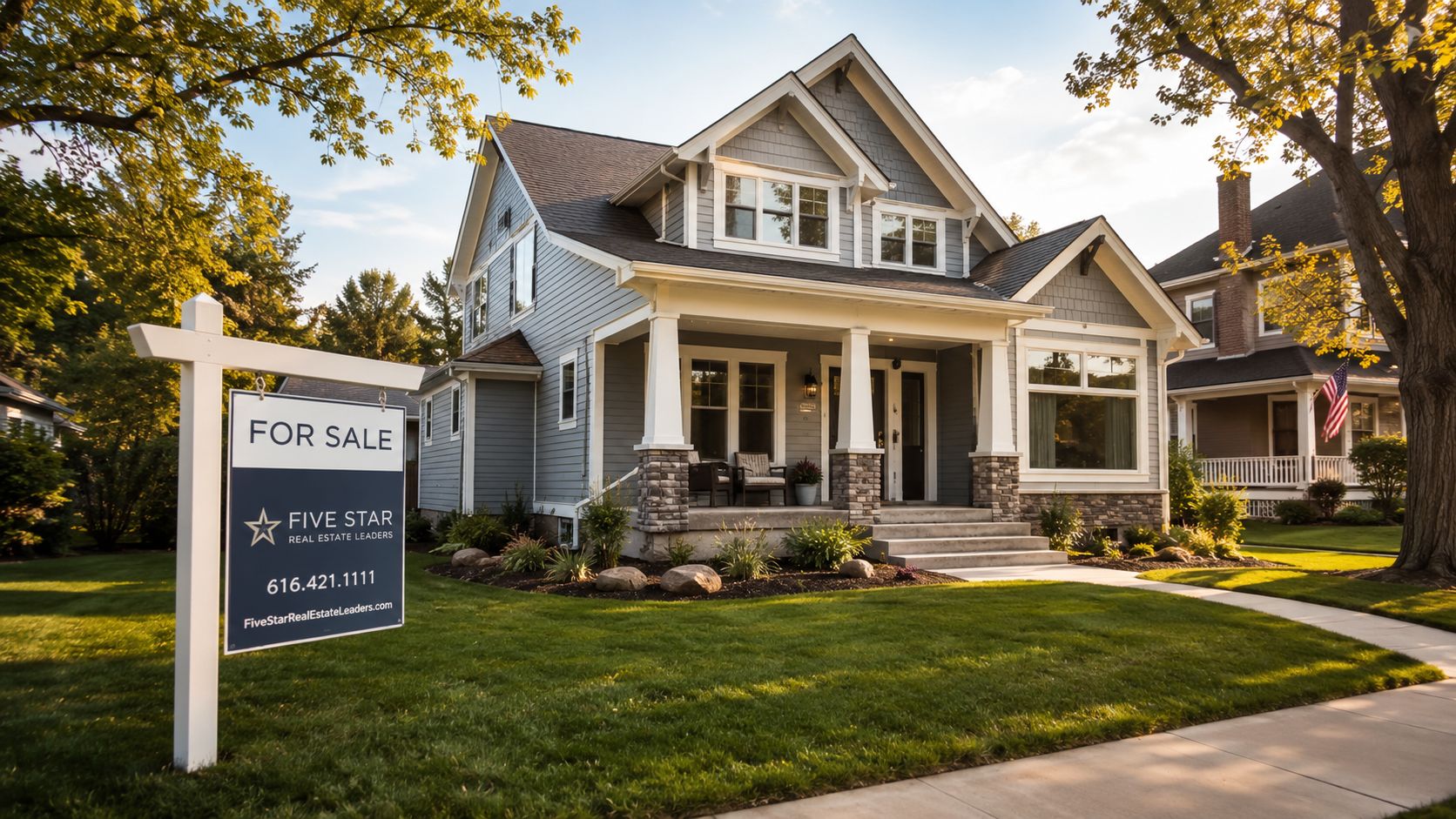
Why investors keep choosing this route
The appeal is practical. Michigan investors often want to buy another property before the next one is gone, and they don't want their personal income profile to decide whether the deal closes. A DSCR structure keeps the focus on the asset, which is why it fits buy-and-hold rentals, 2 to 4 unit properties, and other non-owner-occupied investments so well.
The other advantage is speed. These loans commonly close in 21 to 30 days (PeerSense Michigan DSCR guide), which helps when a seller wants certainty and the property is already rent-ready.
Practical rule: if the rent is strong and the deal is clean, a DSCR loan can keep you from losing the property while a conventional lender is still sorting through personal documentation.
For an investor comparing options, a good starting point is the standard DSCR product overview at LendingXpress DSCR loans. The key is to compare the property's cash flow against the debt, not just the borrower's tax picture.
What Is a DSCR Loan and How Is It Calculated
A DSCR loan is a Non-QM investor product that underwrites the property's cash flow instead of the borrower's personal income (NQMF Michigan DSCR guide). In plain language, the lender wants to know whether the rental property can pay its own way.
The core idea is simple, the property's rent supports the loan.
The formula is DSCR = Net Operating Income ÷ Total Debt Service (PITIA) (NQMF Michigan DSCR guide). Net Operating Income, or NOI, starts with rental income and adjusts for vacancy, taxes, insurance, and management assumptions. Total Debt Service is the monthly mortgage payment, including principal, interest, taxes, insurance, and HOA where applicable.
How the math works in real terms
If a property rents for enough to produce a strong NOI, the DSCR rises. If taxes are higher, rent is softer, or the property needs more management expense built in, the ratio drops. That's why two houses on different blocks in the same city can qualify very differently.
A simple way to think about it is this. If a lender estimates the property's monthly operating income at a level that comfortably covers the PITIA payment, the deal is more likely to work. If the rent barely clears the payment, the lender may tighten terms or ask for more down payment.
For a borrower wanting a straightforward way to evaluate a deal before applying, the loan page at LendingXpress DSCR requirements is useful because it frames the process around the property's numbers rather than personal income paperwork.
A quick example using a Michigan rental
Say a duplex in Lansing brings in solid rent, but you still need to account for vacancy and operating costs. If the adjusted income remains comfortably above the monthly PITIA, the deal may fit a DSCR structure. If taxes are heavier than expected or one side sits vacant longer than planned, the coverage ratio can fall fast.
That's the skill with DSCR investing. You're not just buying a property, you're buying a payment stream. The better the stream holds up under underwriting, the easier the loan is to place.

Key Qualification Numbers for Michigan DSCR Loans
Michigan lenders usually start with a 1.20 minimum DSCR, and some will stretch to 1.00+ only when the file is stronger in other ways, such as a 740 FICO score or a 30% down payment (PeerSense Michigan DSCR guide). That's the number investors should anchor on first, because it tells you how much income cushion the property needs.
The basic checklist lenders care about
Typical requirements include a 20% to 25% down payment and six months of PITIA reserves (PeerSense Michigan DSCR guide). Another Michigan source notes that borrowers need the funds to cover the down payment and usually those same reserve months, while also confirming there's no tax return, W-2, or pay stub requirement (New American Funding Michigan DSCR page).
- DSCR ratio: lenders often want 1.20, with some flexibility down to 1.00+ when credit or down payment is stronger.
- Down payment: expect 20% to 25%, and some lenders may require 25% when the ratio is below 1.2 or FICO is below 700 (PeerSense Michigan DSCR guide).
- Reserves: plan on six months of PITIA.
- Income docs: no tax returns, no W-2s, no pay stubs required in the standard DSCR structure (PeerSense Michigan DSCR guide, New American Funding Michigan DSCR page).
What borrowers get wrong
Some investors focus only on the rate and ignore the coverage ratio. That's a mistake. A slightly better rate won't help if the property's income is too thin, because the lender still has to trust the cash flow.
Others assume a lower DSCR automatically kills the deal. It doesn't always. Strong credit, more equity, and a clean property profile can offset a weaker ratio, but the structure usually gets less forgiving as the file moves away from the preferred range.
A good DSCR file is built before the application goes in. If the rent roll, reserves, and down payment are already aligned, the lender has fewer reasons to slow things down.
Navigating the Michigan Real Estate Market with DSCR Loans
Michigan isn't a single underwriting story. A duplex in a stable college market can look very different from a low-value rental in a Detroit ZIP code, even if both properties collect rent every month. That's why generic national DSCR rules miss the part that matters most to local investors, the neighborhood overlay.

Why location changes the loan structure
Michigan-specific underwriting can include lower max LTVs of 65% to 70% in certain Detroit ZIP codes, a minimum property value of $75,000 to $100,000, and stricter borrower experience requirements (DSCR Authority Michigan guide). That means an investor who expects one set of terms statewide can get surprised when the property sits in a tougher submarket.
This matters most in areas where the housing stock is older and values are modest. A lender may like the rent, but still reduce the loan amount because the exit risk is higher. In practical terms, that can mean more cash needed at closing and a tighter path to approval.
Where Michigan investors need to be careful
College towns, stable suburbs, and stronger rent corridors often support cleaner DSCR execution. Lower-priced urban submarkets can still work, but the file usually needs more equity and more borrower strength. In those deals, the property may qualify on cash flow but still get boxed in by value thresholds or borrower experience expectations.
That's especially important for investors building a portfolio with smaller homes or older two-unit properties. A deal that looks easy on a spreadsheet can be underwritten very differently once the lender applies local risk overlays.
A second source notes that by 2026, Michigan DSCR lending has become more standardized, with broader market guides showing preferred thresholds of 1.20 to 1.25, loan-to-value up to 80%, and loan amounts from $100,000 to $3 million+ (Newfi Michigan DSCR guide). The useful takeaway is not just that the product exists. It's that the state now has enough market depth for lenders to be selective by property type and neighborhood.
Your Step-by-Step Process for Securing a Loan
A clean DSCR process usually moves in a straight line. The fewer surprises you create early, the faster the file moves, especially when the property's rent supports the deal and the borrower's documents are simple.
1. Consultation and deal review
Start with the property, not the loan form. A lender or broker should look at estimated rent, purchase price, projected payment, and the neighborhood profile before anything else. If the deal is weak on coverage or sits in an area with tighter overlays, you want to know that before you spend money on the wrong path.
2. Property analysis and application
The file is built around the asset, so the rent roll, lease details, and operating assumptions matter. A strong DSCR submission usually includes just enough borrower information to support the structure without dragging in a full tax-return package.
3. Underwriting and appraisal
The lender checks whether the numbers still work after the property is inspected and valued. If the appraisal supports the purchase price and the rent holds up under underwriting assumptions, the file can move quickly. If not, the lender may lower the loan amount or ask for more equity.
4. Closing and funding
Because DSCR loans don't require the same income review as conventional financing, the path to closing is often more direct. That's one reason investors use them when they need speed. Michigan closings often land in 21 to 30 days (PeerSense Michigan DSCR guide), and a clean file can move faster when the lender's document workflow is organized.
For investors who want to understand how lenders speed up approvals behind the scenes, this resource on speed up loan processing with automation is worth a look. It's a good reminder that fast funding usually comes from better file handling, not shortcuts.
Common Pitfalls and Finding the Right Lending Partner
Three mistakes show up again and again. First, investors overstate rent and forget vacancy. Second, they underwrite expenses too loosely, especially taxes and management. Third, they work with a lender that understands DSCR in theory but not the Michigan overlays that can change debt capacity, value floors, and borrower expectations.
Those mistakes are expensive because they waste time before the file is even ready. A property can look strong on a spreadsheet and still fail once a lender applies local rules to a Detroit submarket or a lower-value rental property. That's why the right lending partner matters as much as the right deal.
A strong partner should be transparent about how they use financing to maximize returns, upfront about documentation, and fast enough to keep pace with the market. They should understand how Michigan underwriting changes by property type and location, and they should tell you early if the deal needs more down payment or better reserves.
The best DSCR lender doesn't just say yes. They tell you what will actually close.
If you're comparing options on a Michigan rental, bring the property, the rent estimate, and the deal structure to LendingXpress. Their team can help you evaluate whether the file fits a DSCR path and move quickly on the deals that deserve to close.