
You found a deal that makes sense on paper. The seller wants a short escrow, the property needs work, and your bank loan officer is already asking for documents that have nothing to do with whether the project will succeed. That's where most California investors learn the difference between conventional lending and ARV based hard money lenders California offers for non-owner-occupied deals.
In this market, speed matters, but speed by itself isn't the whole story. A fast approval on a weak project can still become an expensive problem. The investors who use ARV financing well are usually the ones who understand both sides of the transaction: how to get funded quickly, and how to avoid overestimating the property's exit value, timeline, or rehab plan.
Why Speed Matters in California Real Estate Investing
A serious investor usually doesn't lose deals because they missed the opportunity. They lose them because they couldn't move fast enough.
That happens all the time with distressed properties, inherited homes, unfinished renovations, and rentals with deferred maintenance. The property may not qualify for bank financing in its current condition. The seller may want certainty more than a slightly higher price. If your financing takes too long, someone else gets the deal.
Tight deadlines change the financing decision
Traditional lenders often work on a timeline that doesn't fit this kind of purchase. By the time the appraisal, underwriting, and income review are done, the seller has moved on.
Hard money is built for a different situation. It's designed for investors buying properties based on current condition, improvement potential, and a clear resale or refinance plan. In California, that matters because competition is constant across entry-level flips, small multifamily repositioning, and rental property acquisitions in growth markets.
If you're still narrowing your target areas, this overview of California property investment opportunities is a useful place to compare cities and investor-friendly trends before you start submitting offers.
The real advantage is optionality
Fast capital gives you options. You can bid on a property with confidence. You can negotiate shorter contingencies. You can pursue a deal that needs immediate repairs without waiting for a conventional lender to get comfortable.
That doesn't mean every fast loan is a good loan.
Fast money helps when the deal is solid. It hurts when the timeline, rehab scope, or exit plan is unrealistic.
The investors who stay active in California usually treat speed as a tool, not as the entire strategy. They know the financing has to match the business plan. If the project needs staged rehab draws, a realistic hold period, and room for an appraisal issue on the back end, those details matter as much as closing quickly.
What wins in practice
A lender can move faster when the borrower is prepared. The strongest submissions usually include:
- A clean purchase contract with realistic dates and no confusion around assignment, vesting, or access
- A credible rehab plan that shows what work is being done and why it supports the projected value
- A clear exit through resale or refinance, not a vague assumption that “the market will take care of it”
- Responsive communication when underwriting asks for clarifications
California investors don't need a lecture on urgency. They need financing that respects it, while still protecting the deal from preventable mistakes.
What Is an ARV Loan and How Does It Work
An ARV loan is a real estate loan based largely on the property's After-Repair Value, which means the estimated value after planned renovations are completed.
The process is comparable to restoring a vintage car. A buyer doesn't judge the final value by the rust, torn seats, and faded paint. They judge it by what the car should be worth once the work is done correctly. ARV lending applies that same logic to investment property.
ARV means the estimated market value of a property after the approved repairs and improvements are finished.

What the lender is really funding
With a bank loan, the conversation often centers on your income, tax returns, debt ratios, and long document list. With ARV lending, the core question is different: what is this property worth now, what will it be worth after the work is complete, and how realistic is that plan?
A 2026 market review found that in California, most direct hard money lenders cap lending at about 70% to 75% of a property's ARV, with funding speeds of roughly 10 to 21 days, which shows how ARV underwriting supports faster closings than conventional mortgages according to this California hard money lender market review.
That tells you two things right away. First, lenders are not trying to fund your entire upside story at full value. Second, ARV loans are built around conservative financing principles, not aggressive assumptions.
What gets included in the loan
Depending on the deal structure, an ARV loan may help cover:
- Property acquisition for a distressed or underperforming asset
- Rehab funds held back and released through draws as work is completed
- Bridge financing while you improve the property for resale or refinance
- Short-term carry while you move from a problem asset to a financeable asset
The lender reviews the purchase price, the repair scope, the expected timeline, and the projected completed value. If those parts make sense together, the loan can be structured around the finished product rather than the current condition alone.
Why presentation matters
A weak ARV package usually fails for simple reasons. The borrower inflated the resale value. The repair budget is too thin. The comparable sales don't match the finished quality. Or the exit strategy sounds more hopeful than planned.
If you're putting together listings, resale prep, or finish-level positioning after the rehab, this guide for real estate professionals can help you think through how presentation affects perceived marketability once the work is done.
ARV lending works best when the borrower treats the deal like an operator, not just a buyer. The property's future value is the anchor, but the lender still needs proof that your plan can get it there.
How California Lenders Calculate and Underwrite ARV Loans
Underwriting an ARV deal is less mysterious than many new investors think. Lenders aren't guessing. They're testing whether your numbers hold up under pressure.
A private lender market snapshot for California showed an average interest rate of 10.40% in Q1 2026, average origination fees of 2.3 points, and most first-mortgage hard money loans maxing out at 70% LTV, reflecting the tradeoff between speed and property-based underwriting in this California private lender data set.
The core inputs lenders review
Most ARV underwriters focus on a short list of variables:
- Purchase price and whether it makes sense relative to current condition
- Rehab budget and whether the scope matches the budget
- Comparable sales that support the projected completed value
- Timeline for construction, sale, or refinance
- Borrower experience managing similar projects
- Exit plan if the sale takes longer or the refinance comes in lower than expected
A lender may use its own formula, but the thinking is consistent. The projected loan amount has to fit inside the lender's maximum lending capacity while leaving enough room for risk.
What makes a rehab budget believable
New investors often hand over a contractor estimate and assume that's enough. It usually isn't.
A credible budget separates cosmetic work from systems work. It shows whether you're replacing roofs, windows, plumbing, electrical, kitchens, baths, flooring, or layout components. It also needs to line up with the value story. If your ARV depends on a fully updated resale product, the scope has to support that level of finish.
For investors who need a quick way to pressure-test deal structure before submitting, the fix and flip loan calculator is useful for estimating whether the numbers still work before you spend time on underwriting.
Why comps can make or break approval
Comparable sales are one of the biggest weak points in beginner submissions. Pulling the highest sale in the neighborhood doesn't create value. The comp set has to reflect the same property type, similar condition after repairs, and a realistic buyer profile for that submarket.
If you want a sharper framework for building your comp package, this CMA guide for real estate agents is worth reviewing. Even though it's written for agents, investors can use the same logic when defending ARV to a lender.
Underwriting rule: the more your ARV depends on perfect execution, perfect timing, and perfect buyer demand, the more fragile the loan request becomes.
ARV hard money loan vs traditional bank loan
| Factor | ARV Hard Money Loan | Traditional Bank Loan |
|---|---|---|
| Primary focus | Property value, rehab plan, exit strategy | Income, tax returns, debt ratios, full documentation |
| Property condition | Works for distressed or unfinished assets | Often limited when condition is poor |
| Underwriting style | Asset-based and project-driven | Borrower-based and document-heavy |
| Pricing | Higher rate and fees | Lower pricing when the property and borrower fit bank standards |
| Flexibility | Better suited to rehab and bridge scenarios | Better suited to stabilized properties |
| Best use case | Fix-and-flip, bridge, value-add rental strategy | Long-term financing after stabilization |
Good ARV underwriting isn't just about approval. It's about making sure the deal still works if the project takes longer, costs more, or exits more slowly than expected.
Your Step-by-Step Guide to Securing an ARV Loan
The best way to secure an ARV loan is to act like you're already in underwriting before you submit anything. That cuts friction, shortens review time, and helps the lender see the project the way you do.
Here's the process most borrowers go through on a California investment deal.

Step one through step three
Get the property under contract
Your contract terms matter. Short escrows, seller credits, assignment language, and access for inspections should all be clear upfront.Prepare the deal package
Send the purchase contract, property details, renovation scope, budget, and your estimated ARV with supporting comps. If you've done projects before, include that history.Let the lender size the loan
The lender reviews the acquisition basis, repair plan, and projected exit. At this stage, they're looking for internal consistency more than polished presentation.
A California hard money guide notes that hard money lenders commonly close in roughly 5 to 10 business days, compared with 30 to 60 days for conventional bank loans, because they prioritize collateral value over detailed income documentation, as explained in this California hard money lending guide.
Step four through closing
Before moving to documents, it helps to see how other investors think about bridge and hard money execution in the field:
Third-party valuation and due diligence
The lender may order an appraisal or another form of valuation based on the property and program. Title, insurance, entity documents, and borrower background items are usually reviewed here too.Review the loan terms carefully
Newer borrowers often move too fast during this stage. Look at interest reserve treatment, draw process, extension terms, maturity structure, and how rehab funds are released.Close and fund
Purchase funds are disbursed at closing. Rehab money, if included, is often held in draws and released as work is completed and documented.
What borrowers can do to avoid delays
A fast process still breaks down when the file is sloppy. The most common avoidable delays come from missing documents, vague scopes of work, and changing numbers after submission.
Use this checklist before you apply:
- Match the budget to the scope so the lender doesn't have to guess what the numbers mean
- Support the ARV with current comps rather than broad neighborhood optimism
- Be honest about timing if permits, vacancy issues, or contractor scheduling could slow the project
- Read the draw procedures before closing so you know how the rehab funds are accessed
Borrowers who treat approval as the finish line often run into problems later. Borrowers who treat approval as the beginning of execution usually have a smoother project.
Sample California ARV Deals in Action
Theory is useful. Real deal framing is better.
The examples below are illustrations, not market statistics. They show how investors commonly think through an ARV project in California and where the financing pressure points usually show up.

Example one, a fix and flip
An investor finds a dated single-family property in a competitive suburban pocket. The house has functional obsolescence, old finishes, and deferred maintenance, but strong resale potential if the renovation is done to the standard buyers expect in that area.
The lender reviews the purchase basis, the renovation scope, and the projected post-rehab value. If the numbers fit within the lender's acceptable financing limits, the loan may cover a large portion of the acquisition and fund rehab through draws. The investor's job is to keep the project moving, manage contractors tightly, and avoid over-improving beyond what the neighborhood supports.
The biggest risk in this type of deal usually isn't getting the loan. It's assuming the resale will happen quickly at the top of the comp range. If the renovation drifts or buyer demand softens, carrying costs and extension pressure can eat into the margin fast.
Example two, a BRRRR-style rental conversion
A different investor targets a small income property that needs work before it can support market rents and qualify for long-term financing. The building has upside, but it's not yet in a condition that a conventional lender likes.
An ARV bridge structure can help the investor acquire the property, complete the improvements, stabilize the units, and then refinance into permanent debt once the asset is performing properly. In this setup, the exit strategy matters even more than the entry. The borrower has to think through lease-up timing, appraisal support after repairs, and whether the refinance proceeds will retire the bridge loan cleanly.
The strongest rental repositioning deals start with the refinance in mind. If the takeout loan won't work after renovation, the bridge loan is only postponing the problem.
What these examples show
Both scenarios use ARV logic, but they require different discipline.
- Fix and flip deals depend on sale execution, renovation control, and realistic buyer pricing
- BRRRR deals depend on stabilization, lease quality, appraisal support, and refinance readiness
- Both require a lender that understands how the project unfolds after closing, not just how fast it can fund
That distinction matters. The financing should fit the strategy, not just the acquisition deadline.
Common Mistakes to Avoid with ARV Financing
Many investors focus on the headline benefit of hard money. Fast closing. That's useful, but it can distract you from the core question: does the project still work if something goes wrong?
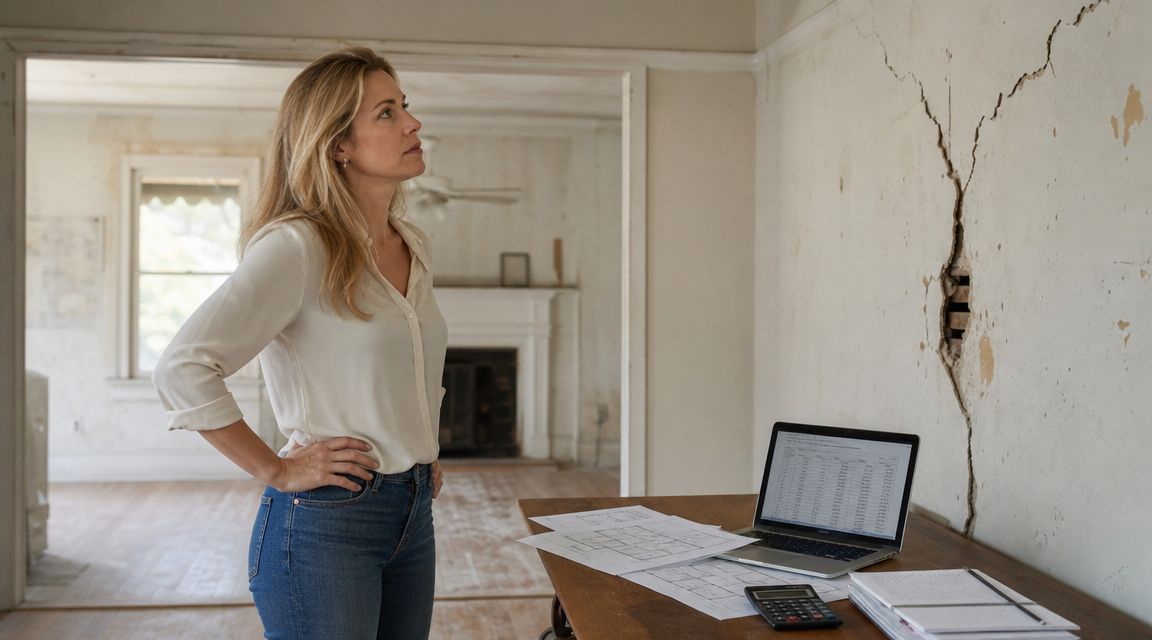
A California lender guide for business-purpose hard money notes that common loan terms are 3 to 36 months and rates are typically 8% to 12% or higher depending on the program, and it also points out a frequent blind spot: investors may focus on quick execution while underestimating time-to-liquidate in a slower exit market or relying on ARV that isn't realized on schedule, which can trigger extension costs, as discussed in this California hard money lender commentary.
Mistake one, using aggressive ARV assumptions
A lot of new borrowers build their deal around the highest possible resale number. That's backwards. You should underwrite the exit with discipline and then see if the deal still justifies the risk.
If your projected value depends on premium finishes, zero delays, and a perfect sales window, you're building a fragile plan.
Mistake two, treating the rehab budget like a placeholder
Thin budgets break projects. They force shortcuts, draw disputes, change orders, and unfinished work near maturity.
Watch for these warning signs:
- Round-number budgets with no detail behind them
- Contractor bids missing line items for major systems or permit-driven work
- No contingency thinking for hidden condition issues once demolition begins
- Finish levels that don't match the ARV claim
Mistake three, ignoring the exit deadline
Many hard money loans are structured with interest-only payments and a balloon at maturity. That helps during renovation, but it creates a hard deadline.
Don't judge the loan only by the closing date. Judge it by how repayable it is under ordinary project stress.
If the sale takes longer than expected or the refinance comes in lower, you can end up paying extension fees, adding reserves, or scrambling for replacement financing. That's often where inexperienced borrowers get caught.
Mistake four, choosing the fastest lender instead of the clearest one
A rushed quote with vague draw terms can cost more than a slightly slower but better-structured loan. Investors should ask direct questions before signing:
- How are rehab draws handled
- What happens if the project runs long
- When is an extension available
- How is the property valued if the exit is a refinance
- What borrower communication should be expected once the loan closes
The safest ARV projects aren't the ones with the most aggressive debt financing. They're the ones with realistic numbers, enough room in the timeline, and a lender that doesn't disappear after funding.
Choosing a Responsive California Lending Partner
A good ARV lender does more than issue a term sheet. The lender should understand how California investment projects unfold after escrow closes.
That means looking for a partner with clear communication, straightforward fee disclosure, practical draw administration, and enough market familiarity to identify weak assumptions before they become expensive problems. You want a lender that can evaluate a property on its merits without turning every file into a bank-style paperwork exercise.
What to look for
Start with a few basics:
- Transparency around rates, points, maturity, extensions, and draw procedures
- Responsiveness when timing matters and contract deadlines are tight
- Asset-based judgment on distressed, value-add, and non-owner-occupied properties
- Experience in California where permitting, resale timing, and local comp quality can vary widely
For investors comparing options, LendingXpress provides California private money lenders information for bridge, fix-and-flip, and rental-property scenarios tied to asset-backed underwriting.
What usually works best
Borrowers tend to have a smoother experience when they choose a lender that asks good questions early. That may feel slower in the first conversation, but it usually saves time later. A lender that pushes back on a weak budget or unsupported ARV is often helping you avoid a bad outcome.
The right lending partner should make it easier to submit a complete file, close on time, and execute the business plan without surprises buried in the loan structure.
If you're evaluating a non-owner-occupied purchase, rehab, bridge, or refinance in California, LendingXpress can help you review the deal structure, pressure-test the ARV assumptions, and determine whether the timeline and exit plan make sense before you commit.